
Dieting is a popular topic in our society and it is often the first thing that people turn to when they are looking to lose weight. But, do all diets work?
The answer to this question is no. There are many different diets out there and some of them work better than others for certain people. The key is finding the diet that best suits your lifestyle, food preferences, and weight goals.
Some diets seek to lower your food intake by curbing your hunger. While others propose limiting your calorie intake and carbohydrate or fat intake.
Some people prefer to adjust their eating habits and lifestyles, rather than restricting their intake of certain foods.
The 7 best diet plans to help you achieve your weight loss goals are listed here.

Flexitarian Diet
Flexitarianism is a diet that encourages people to eat a plant-based diet, with occasional meat consumption.
The flexitarian diet is not about eating all the time but about eating in moderation. It can be for anyone who wants to live healthier and have more energy. It also helps people who want to lose weight or maintain a healthy weight.
You don’t have to entirely eliminate meat from your diet to gain the health benefits of vegetarianism.
With a flexitarian diet; you may be a vegetarian most of the time while still enjoying a burger or steak when the mood strikes.
The amounts of protein, carbohydrates, fat and other nutrients in these diets are within acceptable ranges.
Adding five food groups to your diet is what it takes to become a flexitarian. Non-meat proteins such as beans, peas, and eggs; fruits and vegetables; whole grains; dairy; and seasonings.
WW (Weight Watchers) Diets
WW, originally known as Weight Watchers, is one of the most well-known weight-loss programs in the world.
It has two versions – the Points Plus and the traditional program.
The Weight Watchers Points Plus system assigns points to different foods depending on their energy density. Foods are grouped into zero, one, or two-point categories. A person can eat as many of these foods as they want so long as they stay within their daily point allotment.
Weight Watcher’s traditional program is based on a calorie counting system. With different levels of caloric intake for people who are trying to lose weight or maintain weight loss.
The program does not assign any physical activity points,
because it assumes that everyone should be getting 30 minutes of moderate exercise every day to maintain a healthy weight level.
WW is a point-based system that allocates a value to various foods and beverages based on their calorie, fat, and fiber levels.
While no food groups are restricted, persons on the WW plan must eat within their daily point allowance in order to achieve their goal weight.

Dash Diet
DASH (Dietary Approaches to Stop Hypertension) is an eating plan designed to help treat or prevent high blood pressure, also known as hypertension in medical terms.
It promotes the consumption of fruits, vegetables, whole grains, and lean meats in large quantities. Salt, red meat, added sugars, and fat are all low in this diet.
Despite the fact that the DASH diet is not a weight-loss diet, many people claim to have lost weight while following it.
Beginning DASH does not imply making big adjustments right away. Instead, start with the smallest modifications that seem most manageable to you. Consider the following scenario:
- Each week, introduce two or more meat-free meals.
- After lunch or dinner, go for a 15-minute walk.
- Instead of a bag of chips, snack on almonds or pecans.
- To make meals taste better without adding salt, use herbs and spices.
- When possible, replace white flour with whole-wheat flour.
- Every meal should include one dish of vegetables or fruits.

Keto Diet
Keto diet plan is a low carb, high fat, and moderate protein diet. This type of diet is a very popular weight loss plan that helps in losing weight by using the ketosis process.
The keto diet promotes fat-burning as a means of weight loss. The idea is to reduce weight quickly and feel fuller with less cravings while also improving your mood, mental focus, and energy levels.
Keto Diet Plan is also known as Ketogenic Diet Plan. This Diet Plan consists of foods like meat, fish, eggs, vegetables, and fruits but no grains like rice or bread. The keto food list includes things like butter, oils, and mayonnaise.
Many people find that eating a high-fat keto diet makes them feel less hungry, allowing them to reduce their calorie consumption.
With keto, your body enters a condition of ketosis. Instead of using carbs for energy, it breaks down stored body fat and dietary fat into chemicals called ketones.
You may experience muscle aches, headaches, lethargy, and mental fogginess — as well as hunger – during the first week of carb withdrawal. To satisfy early hunger pangs, eat a high-fat snack like a bacon strip or cucumber with avocado mayo.
You’ll start to feel better as the diet progresses into the second and third weeks. As low-carb, high-fat eating becomes more of a habit, it will appear more natural. You might expect to lose weight by week four, especially if you’ve been physically active and stuck to the plan.
Mediterranean Diet
For many years, the Mediterranean diet has been regarded as the gold standard for nutrition, disease prevention, wellbeing, and longevity. This is due to its nutritional value and long-term viability.
Weight loss, heart and brain health, cancer, and diabetes prevention are the benefits of the Mediterranean diet. You can lose weight while avoiding chronic disease if you stick to the Mediterranean diet.
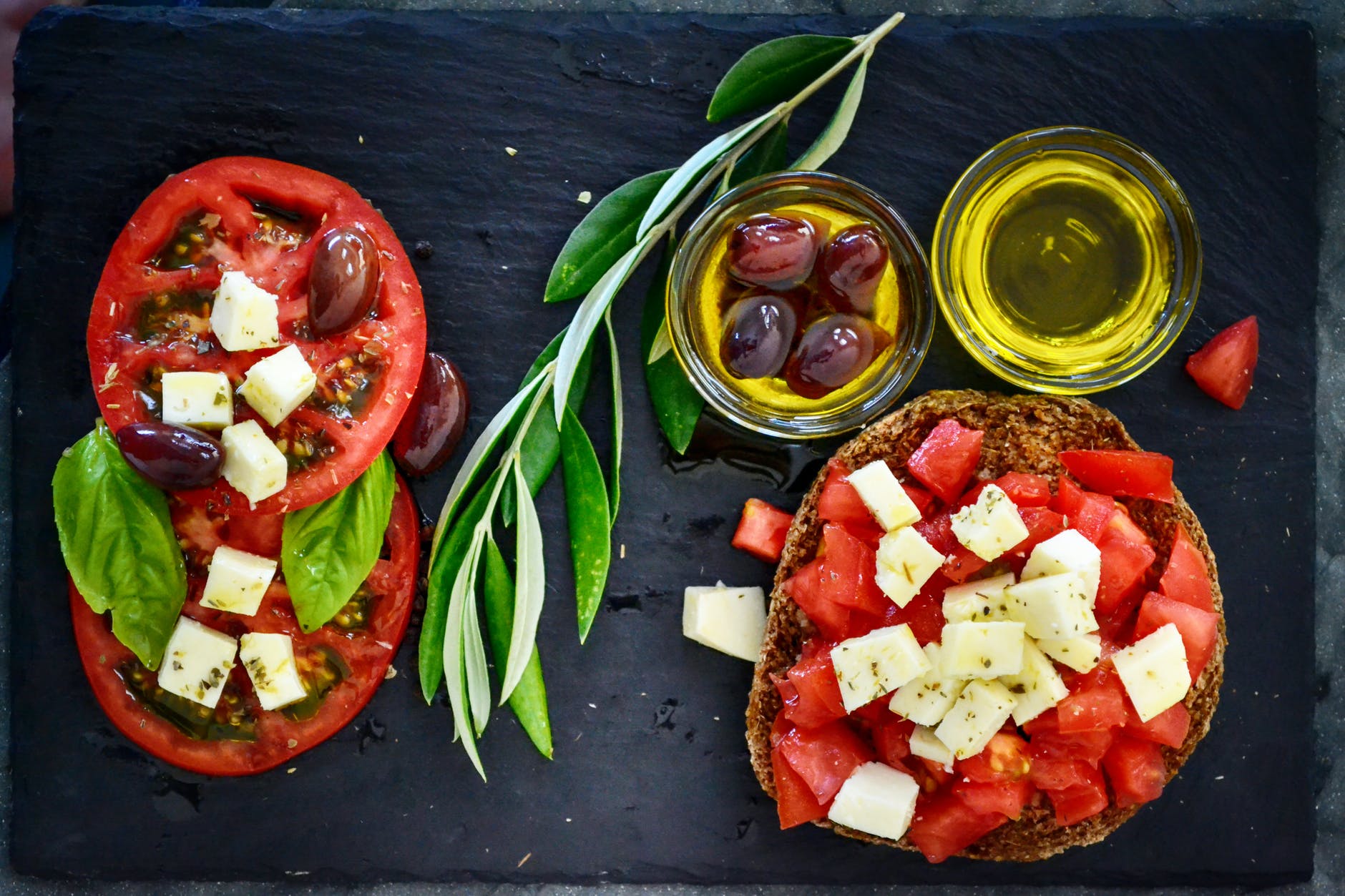
The Mediterranean diet is based on foods that have been consumed traditionally in countries such as Italy and Greece.
The Mediterranean diet pyramid might assist you in getting started. Fruits, vegetables, whole grains, beans, nuts, legumes, olive oil, and fragrant herbs and spices are emphasized in the pyramid;
fish and seafood are recommended at least twice a week. Foods like poultry, eggs, and dairy products should be consumed in moderation.
The Mayo Clinic diet
The Mayo Clinic diet was developed by the same-named reputed medical organization.
On the Mayo Clinic diet, weight loss and a healthier lifestyle go hand in hand. With the guidance of the Mayo Clinic’s unique food pyramid, you re-calibrate your eating habits,
breaking poor ones and replacing them with good ones.
Rather than prohibiting particular foods, the Mayo Clinic diet pyramid encourages exercise and shows how much food you should eat.
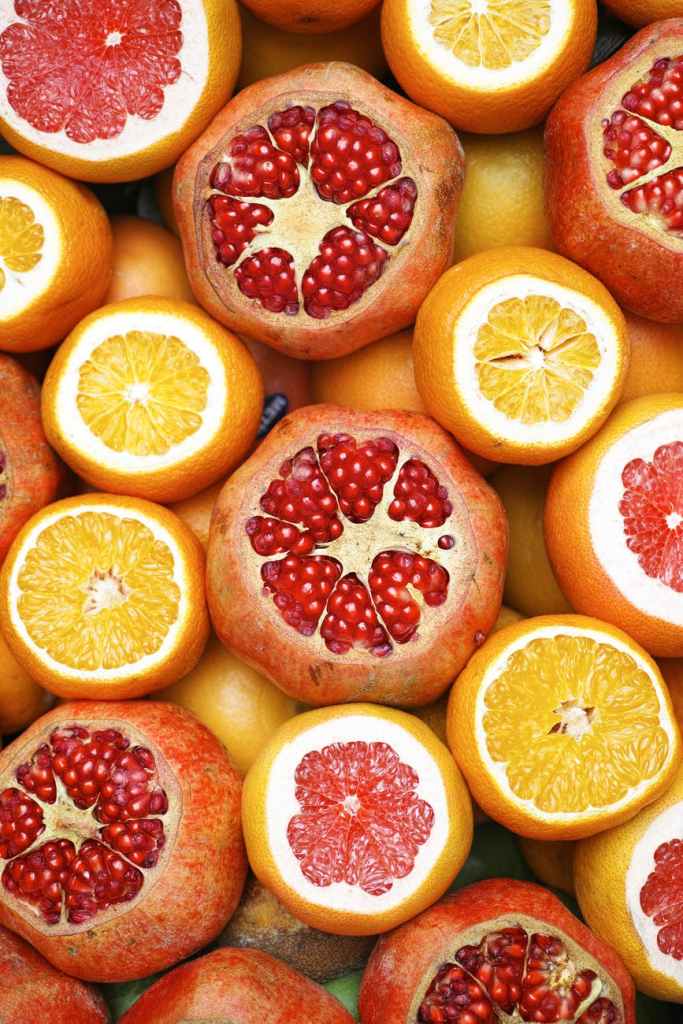
Fruits, vegetables, and whole grains are emphasized in the pyramid. These foods have a low energy density, which means you can eat more while consuming fewer calories.
Users should anticipate losing roughly 10 pounds in the first two weeks and up to 2 pounds in the second phase, according to the Mayo Clinic.
Because high-fiber diets enhance satiety by making you feel fuller, the Mayor Clinic diet may help you lose weight. It may also lower your chances of getting type 2 diabetes.
Studies show that exercising while on a low-calorie diet promotes weight loss effectively.
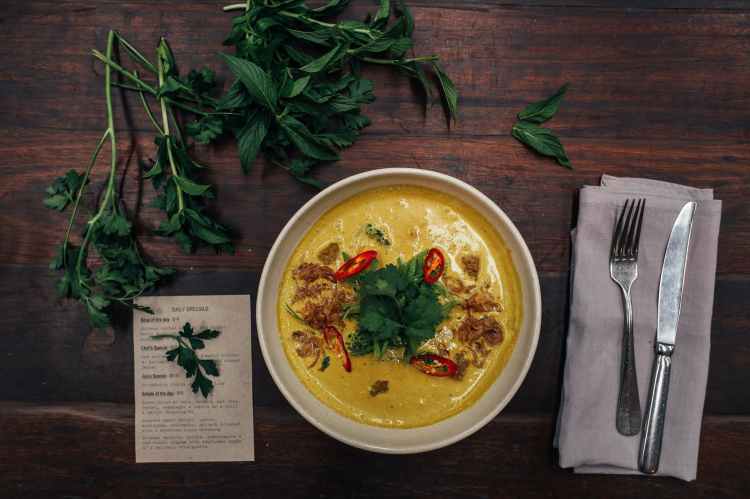
The Volumetrics diet
Barbara Rolls, a nutrition professor at Penn State University, developed the Volumetrics diet, which is intended to be a long-term lifestyle change rather than a rigorous diet.
The eating plan is designed to help you lose weight by filling you up on nutrient-dense, low-calorie, and high-water foods.
Meanwhile, calorie-dense foods such as cookies, candies, nuts, seeds, and oils are restricted.
The Volumetrics diet categorizes foods into four groups, depending on their calorie density.
Which may be determined using a formula devised by Rolls. These are the categories:
Foods with a low-calorie density, such as non-starchy fruits and vegetables, nonfat milk, and broth-based soups, fall under category one. Low-calorie foods include starchy fruits and vegetables, grains, morning cereal, low-fat meat, legumes, and low-fat mixed dishes like chili fall under category two. Foods with a medium calorie density, such as meat, cheese, pizza, bread, and ice cream, fall into category three. Foods heavy in calories, such as crackers, chips, chocolate sweets, almonds, butter, and oil, fall under category four.
To begin the volumetrics diet, choose meals that are high in water. These are important in volumetrics because water raises the weight of food without adding calories. The following are your best bets:
- Fruits and veggies (80% to 95% water)
- Pasta (65% water)
- Yogurt (75% water)
- Soup (80% to 95% water)
You should also consume items that are close to what you’re seeking, such as crunchy carrots with hummus instead of chips and dip. There are no foods that are off-limits. And if you have a category four favorite that you can’t live without, go ahead and indulge as long as you make other sacrifices.
In Shorts
The flexitarian diet, WW (Weight Watchers), the DASH diet, Keto Diet, Mediterranean diets, the Mayo Clinic diet, and the Volumetrics diet are some of the most popular eating programs.
While all the diets listed above have helped people to lose weight, the one you choose should be based on your lifestyle and dietary choices. This increases your chances of sticking to it in the long run.
It’s also a good idea to discuss your personal health history with your doctor before starting any new diet. They can assist you in determining which plan is ideal for you.
 Diet Well & Healthy